Translation 1:
Latin-American
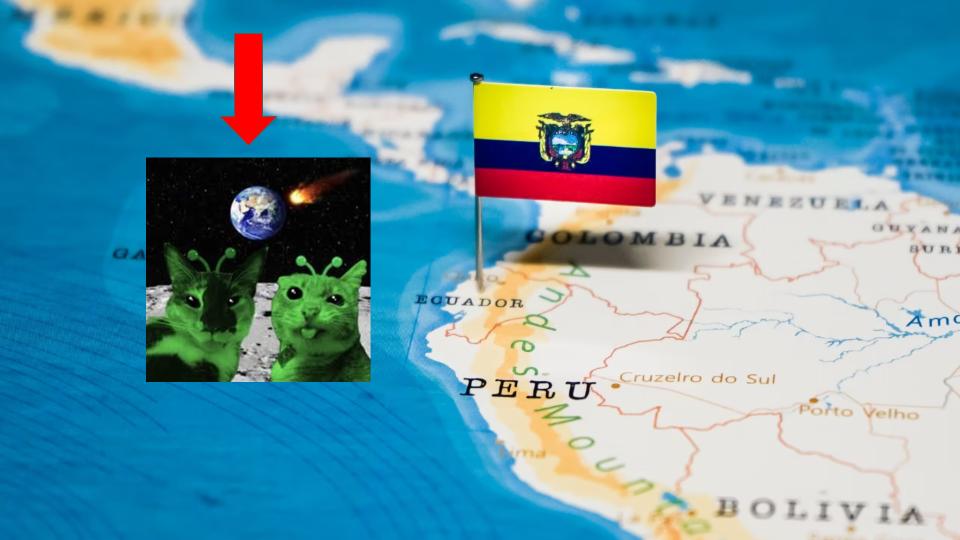
One of the only things I can probably still vividly remember from my childhood would be my disastrous trip to Ecuador in 2014. As a born American, being in Ecuador, being with people that share my genes, felt like I stepped onto a new planet. I attempted to connect with my relatives and I will detail the reasons as to why I will never speak to them again.
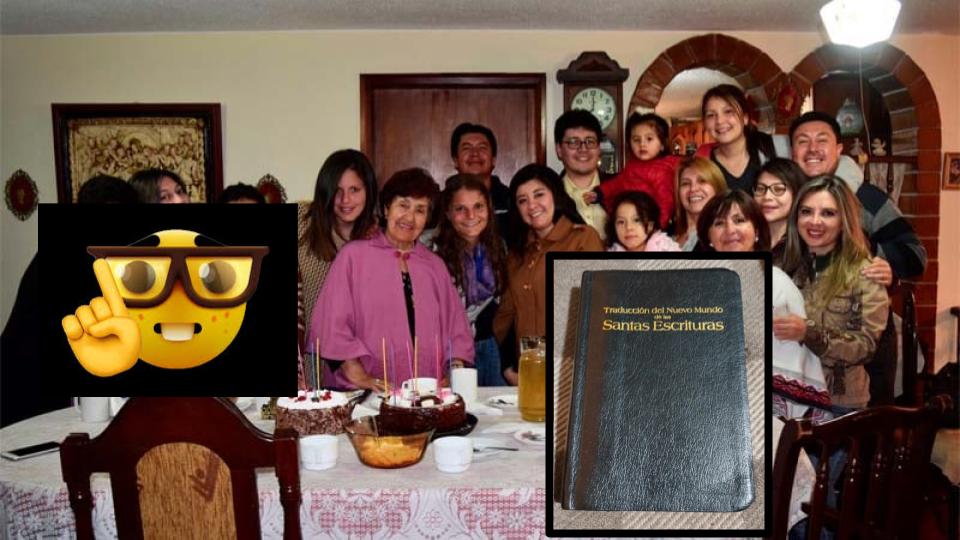
As an English speaker, the extended family was quite impressed when my parents mentioned that I am bilingual and of course 7 year old me was propped up at the end of an uncomfortably long table with around 20 too many relatives staring directly, watching me read the Spanish Bible. As I begin to hear the “ooo’s” and “aaa’s” from relatives I am filled with confusion knowing Spanish is my first language. My first day in this country did not feel warm or welcoming, it made me feel like an alien that just landed from space; I look like them, I act like them, I speak the same language, but I am not one of them and I will never be.
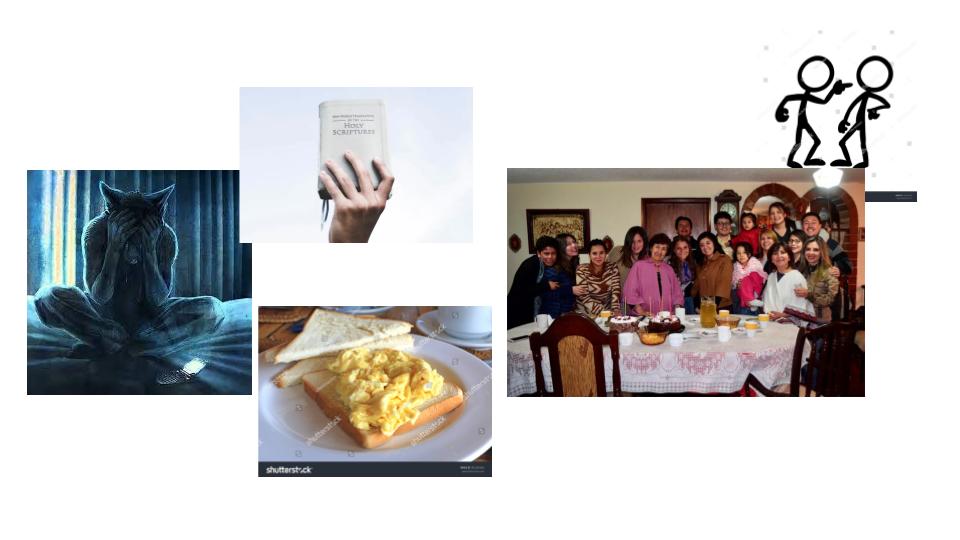
Unfortunately, a naive 7 year old me wanted the approval of my family badly enough to become my parents’ show pony for a week. In the mornings, I would wake up with a blur of the previous day with random disney character bedding surrounding me as it was the only thing they associated with America. Rubbing my eyes and jet lagged, I could hear my parents pulling me out of bed to join them downstairs and begin our American circus with my textbook Spanish and picky eating. As soon as I reached downstairs, my relatives began swarming me with questions, yearning to understand what my experience has been growing up in America, asking me to translate from Spanish to English on the spot or asking the most insensitive questions one could possibly imagine until 7 year old me shut down. My father was so infatuated with being home again and my mother, as most hispanic mothers, “chismeando” or gossiping, a very clearly overwhelmed and anxious me was completely ignored.
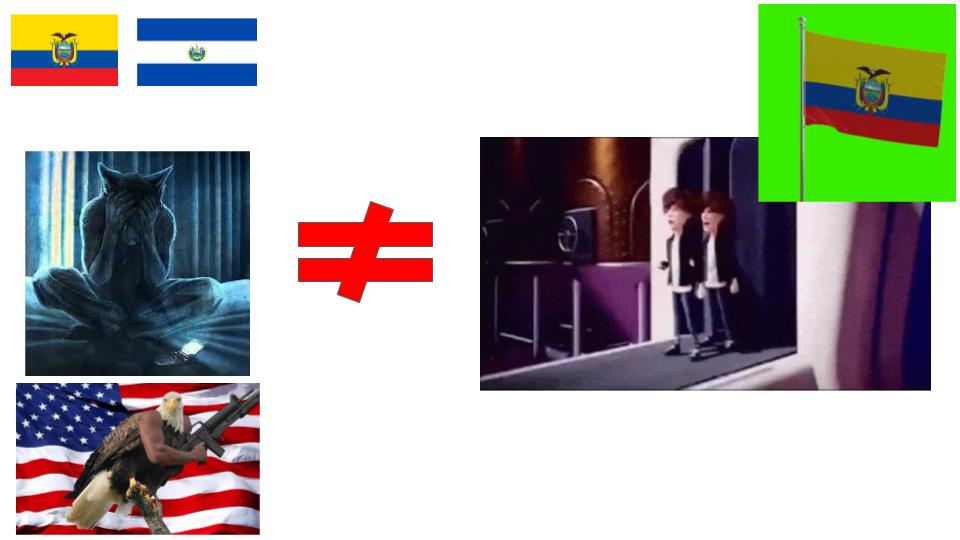
Once again, sitting at the oversized chair pushed into an even larger dinner table with simply a fried egg and Ecuadorian wonder bread in front of me because no one “knows what an American eats” I am once again passed a Bible in now English to read. Then again, reading once in English was not enough as I now look “too American” to stay with them because of the clothes I was wearing or because I was reading too clearly, I was never going to be just enough to be a relative. I either needed to immediately become just like them or I will never be one of them. I could hear my mother pull away my father as they both began to bicker about how she knew the trip was not going to pan out, but their voices are quickly drowned out from all of my extended family planning the activities we will join them for. The same way every state has their own version of English, with different dialects and accents, my textbook American Spanish was no match for their Ecuadorian speech and instead of slowing down or talking to me in a different manner, my relatives would just burst in laughter any time I would say “I don’t understand”. At the time, I did not know why I felt so disconnected from everyone around me, but looking back I now realize how close minded Latin culture is. I realize that if one is not a copy and paste of everyone around them including morals, ideals, mannerisms, nationality, and most importantly language, you are not considered to be “one of them”. Even someone like me, fully Latina, I will never be “one of them” as I am culturally mixed with my Ecuadorian and Salvadorian background and I am ultimately, Latin-American.



Language and Literacy Narrative:
As a final change to my draft I fixed my formatting and some grammatical errors made throughout my writing. I added in the funeral director’s name to make her presence throughout the writing more obvious as well as adding in more details about my mother. I connected her struggle to learn English with the larger issue being faced by immigrants in America, giving the reason as well to why I had to translate for her in the first place.
First Draft:
For many people August is supposed to be a time for new beginnings; it’s the end of one school year and summertime, causing the new year to slowly creep up on you. August was supposed to feel the same for me. I was supposed to be celebrating the end of my high school journey and the beginning of my college journey. Instead, my August consisted of waiting around in an old and desolate office squished in between my mother and a stack of documents with an uncomfortably cold AC blasting on my head. August for me was not supposed to be the time to plan a funeral. I wanted my August to be like everyone else’s. There was a large table with many chairs pushed around it, enough for a midsize family, but all we needed was three. I sat at the very end of the table, becoming the person of authority. My mother sat behind me, hyper focused, trying to pick up any words she possibly could in English and the stack of my father‘s documents lay beside her. The funeral director would ask my mother “What was my father‘s full legal name?”, “What was the status of residency?”, “Where did he reside?”, “How old was he?”, “What did he work as?” and every single question my mother would turn to me in complete dazed confusion, waiting for me to answer. Sometimes the pressure turned to too much and I
would start having a panic attack, but very quickly my mother met me with “I was too selfish” and “I truly never cared about my father” so, there I was searching through every necessary and unnecessary document that my mother dragged out of her drawers trying to search for facts about my father that I barely even knew after living 17 years under the same roof. As many times as I tried to tell the funeral director that she should address me and I will translate, I wasn’t able to change the fact that I was merely 17 and did not actually have any form of authority. As I would listen to every tedious question the funeral director would ask as I slid my sweaty hands along the long marble table, I then began to translate every question verbatim to my mother. If it was not verbatim, I would run the risk of giving the wrong information and after all, we brought all these documents for his death certificate. Most times a 17 year-old doesn’t know funeral jargon, causing me to turn around towards my mother and say “yo no sé”, but “I don’t know” is no longer sufficient when you have become the new person of authority. My mother would say “just tell me anyway”, and I was expected to magically pull out a perfectly translated yet coherent sentence for her. My responses very quickly turned very bland with just
“yes, we would want him cremated”, “yes, we wanted a four hour open casket holding”, “yes, we want Jehovah’s Witnesses to speak over the entire funeral”, and yes, I began to feel the pit in my stomach widen even deeper as every word leaving my mouth felt like a lie. There was no longer any distraction from reality, as I would see my friends flooding my phone; some waiting for their senior year to begin, some telling me about their new schools, following the question of what my plans are and very quickly I would have to put down my phone and look back up at the funeral director. I couldn’t feel anxious because my mother would call me selfish. I couldn’t try to disassociate what I was experiencing because I would have to be just as hyper focused as my mother to pick up on the information she’s obviously missing. I’ve lost complete autonomy over
myself I felt like and I wish the pit in my stomach would just keep widening until it completely consumed me. “Yes, we would want a Bible quote on the back of his memory card”, I regurgitated as my mother did the closest thing to possessing my mouth. “We expect around 200 people for the service”. The long and tedious planning session kept me at the edge of my seat and not because I was so focused on understanding everything around me, but because I was so desperate to leave this depressing and haunting office and hopefully my reality.
Final Draft:
Lost In Translation
For many people August is supposed to be a time for new beginnings; it’s the end of one school year and summertime, causing the new year to slowly creep up on you. August was supposed to feel the same for me. Seventeen year old me was supposed to start her freshman year. Instead, my August consisted of waiting around in an old and desolate office squished in between my mother and a stack of documents with an uncomfortably cold AC blasting on my head. August for me was not supposed to be the time to plan a funeral, I wanted my August to be like everyone else’s.
There was a large table with many chairs pushed around it, enough for a midsize family, but all we needed was three. I sat at the very end of the table, becoming the person of authority. My mother sat behind me, hyper focused, trying to pick up any words she possibly could in English and the stack of my father‘s documents lay beside her. Maria, the funeral director, would rapidly ask my mother “What was my father‘s full legal name? What was the status of residency? Where did he reside? How old was he? What did he work as?” and every single question my mother would turn to me in complete dazed confusion, waiting for me to answer.
Most times a 17 year-old doesn’t know funeral jargon, causing me to turn around towards my mother and say “yo no sé” but “I don’t know” is no longer sufficient when you have become the new person of authority. Responding with “just tell me anyway”, I was expected to magically pull out a perfectly translated yet coherent sentence, staring at Maria’s resting smile. My responses very quickly turned very bland with just “Yes, we would want him cremated. Yes, we wanted a four hour open casket holding.”, Yes, I began to feel the pit in my stomach widen even deeper as every word leaving my mouth felt like a lie.
There was no longer any distraction from reality, as I would see my friends flooding my phone; some waiting for their senior year to begin, some telling me about their new schools, following the question of what my plans are and very quickly I would have to put down my phone and look back up at Maria. I couldn’t feel anxious because my mother would call me selfish. I couldn’t try to disassociate what I was experiencing because I would have to be just as hyper focused as my mother to pick up on the information she’s obviously missing. I’ve lost complete autonomy over myself I felt like and I wish the pit in my stomach would just keep widening until it completely consumed me. Why should we be expected to only speak English in a country filled with so many cultures? Especially as we were in a Spanish-speaking neighborhood speaking to Maria, a stereotypical Spanish name. How is someone as inexperienced and un-knowledgeable as a 17 year old supposed to plan her own father’s funeral?
The long and tedious planning session kept me at the edge of my seat and not because I was so focused on understanding everything around me, but because I was so desperate to leave this depressing and haunting office and hopefully my reality. It is completely unfair and unjust the consequences immigrant families could face for not fluently knowing English. Coming from an immigrant family, any legal documents were looked over by any possible person since saying the wrong word or writing the wrong number could result in fines, fraud charges, or even deportation. In such a large country composed of such diverse communities, we should not all be expected to understand English in such fluency. Allowing for this country to expand further than English, would allow for immigrants to function in our society. A funeral office in a hispanic area should allow for Spanish documentation. English learners should be accommodated to learn and test American history through their native language. If my mother, living in New York for over 30 years has not been able to pick up English, how must it be for recent immigrants? It is not just as easy as learning a few phrases, it is developing new sounds, phonetics, and resting your tongue differently. Your brain changes with language and it has become a requirement for citizenship. Even if it would be impossible to accommodate every culture, there should be accessible translators for those who need it. Families should not be forced to have their child translate as a last resort.

